
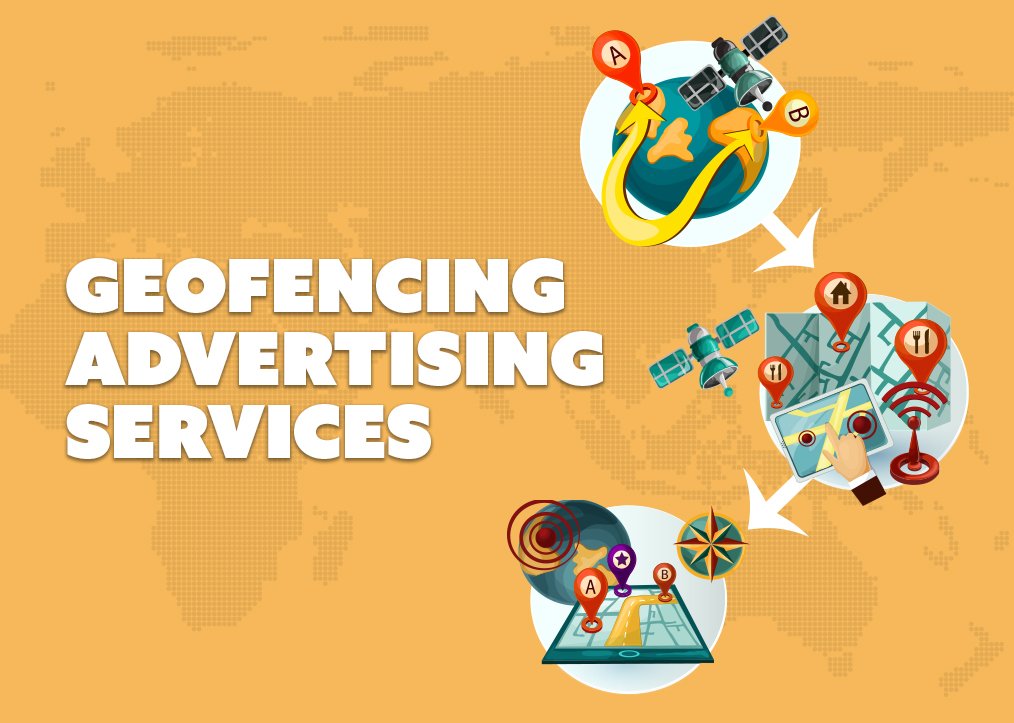
Imagine sending a message to someone’s phone just as they walk into your competitor’s store, attend an event, or enter your target location. That’s the power of geofencing advertising, delivering hyperlocal, real-time ads to people in the exact places that matter.
With rising mobile usage and location data precision, geofencing has become one of the most effective marketing tools for bridging the physical world and digital engagement. Brands now use it to boost foot traffic, increase conversions and make every impression contextually relevant.
How Geofencing Advertising Works
Here’s a practical breakdown of the inner mechanics:
- Define Zones (Polygons): You map GPS, Wi-Fi, or beacon-based boundaries around locations like stores, malls, events, competitor sites, or local areas.
- Collect Eligible Devices: When phones enter the zone, anonymous device identifiers become part of your activated audience.
- Programmatic Ad Delivery: Using a Demand-Side Platform (DSP), ads are served across mobile apps, video, OTT, or display to those devices in real time.
- Measure & Optimize: Track not just impressions, but downstream metrics like store visits, app sessions, conversions, refining geographic zones, times and creatives.
Because all this happens in milliseconds, you’re able to target location-based intent with precision and scale.
Key Benefits of Geofencing Advertising Services
- ✅ Hyperlocal Reach: Reach consumers in immediate proximity, when intent is highest.
- ✅ Cross-Channel Activation: Deliver consistent ads across mobile, display, CTV/OTT and audio via unified DSP setups.
- ✅ Performance Transparency: See which zones, times, creatives, or devices yield results.
- ✅ Cost Efficiency: Only bid on real, relevant devices, reduce waste.
- ✅ Behavioral & Contextual Layering: Combine location with audience data and contextual signals for higher relevance.
Brands in retail, QSR (quick service restaurants), real estate, events and auto have successfully used geofencing to drive incremental footfall and ROI.
Tools, Platforms & Technology
- ✅ DSPs (Demand-Side Platforms): The Trade Desk and others for managing bids, inventory and targeting.
- ✅ Location Data Partners: Mapping, mobility and attribution partners to validate fences and visits.
- ✅ Creative & Dynamic Formats: Use Dynamic Creative Optimization (DCO) for message personalization by location or time.
- ✅ Measurement & Attribution: SDKs, CPM metrics and third-party verification ensure clean reporting of store visits, conversions and lift.
Best Practices & Pitfalls to Avoid
Best Practices:
- ✅ Draw precise fences, avoid enormous radii that dilute intent.
- ✅ Use dwell times (how long someone stays in a zone) to filter passing traffic.
- ✅ Integrate your first-party databases and remarketing audiences.
- ✅ Test multiple creatives and call-to-actions for different location zones.
- ✅ Use control zones or lift analysis to validate true impact.
Pitfalls to avoid:
- ✅ Overlapping fences causing audience overlap and budget waste.
- ✅ Relying purely on coarse signals (e.g. IP-based), use GPS or Wi-Fi where possible.
- ✅ No walk-in measurement or feedback loop, can’t prove value without it.
- ✅ Poor frequency caps, bombarding the same user.
Why Choose Trzy Next for Geofencing Advertising
At Trzy Next, we go beyond basic location targeting. We build campaigns using programmatic media buying, precision boundaries and data-driven optimizations. We partner with top DSPs and location data vendors, ensuring your geofence campaigns run efficiently and deliver clear results.
Our strengths include:
- ✅ Advanced fence mapping and targeting
- ✅ Full integration with omni-channel campaigns
- ✅ Real-time optimization and reporting
- ✅ Fraud prevention and viewability checks
- ✅ Results you can measure, footfall lift, conversions, cost metrics
We connect location intelligence + digital media buying to turn geo-proximity into meaningful engagement.
FAQs (Frequently Asked Questions)
Q1. How accurate is geofencing?
Accuracy depends on signal type (GPS, Wi-Fi, Bluetooth). Good mapping and dwell time filters reduce noise, many agencies obtain 10–30 meter accuracy in open zones, less indoors.
Q2. Which industries use geofencing?
Retail, QSR, automotive dealerships, real estate, events, education, any business that benefits from location-based targeting and footfall attribution.
Q3. What channels work best with geofencing?
Mobile in-app/display, video, OTT/CTV, streaming audio and sometimes DOOH via programmatic pathways.
Q4. Is it privacy-safe without cookies?
Yes. Geofencing works with anonymized device identifiers, explicit user consent and first-party data strategies. It’s compatible with evolving privacy frameworks like ATT, GDPR and increased cookie deprecation.
Final Thoughts
Geofencing advertising services turn physical location into digital opportunity. When done smartly, precise fences, cross-channel strategies and strong measurement, it becomes a powerful tool in your marketing mix.
If you want to capture audiences where they are, influence choices nearby and convert real-world intent into digital action, Trzy Next is positioned to make that happen.